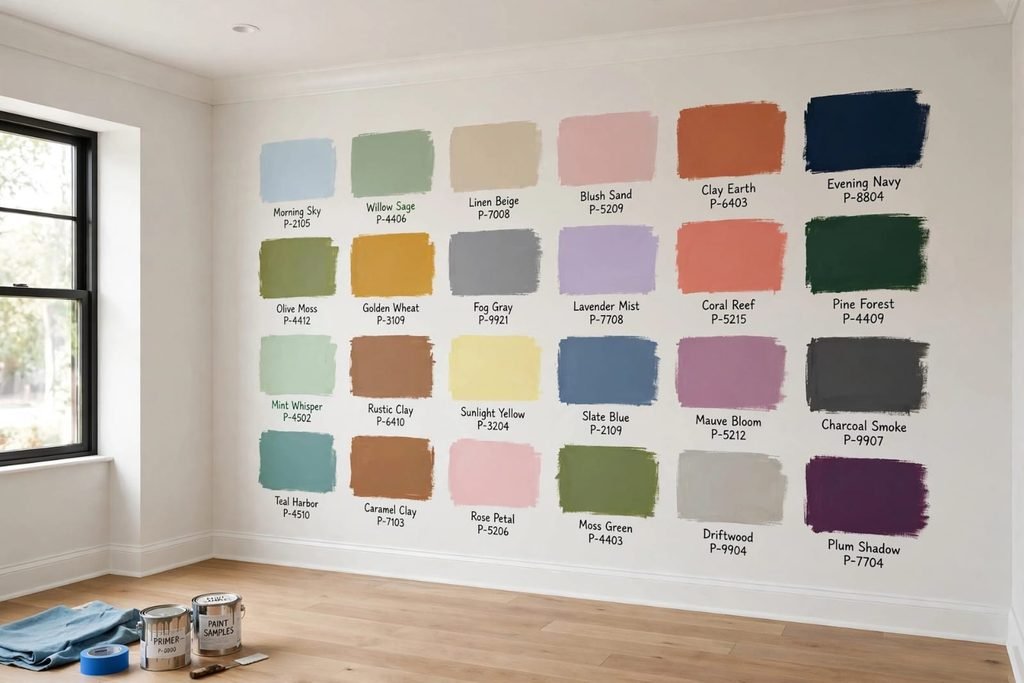
Using an online paint calculator is the absolute best way to plan a home renovation project without wasting money on extra materials. This smart dashboard instantly analyzes your total paint square feet area to help you find the most accurate paint cost parameters. By entering your custom dimensions, anyone can discover their required room paint budget in seconds and successfully manage their overall home paint cost from the comfort of their couch.
🎨 Paint Calculator
Calculate the approximate amount of paint needed for your walls.
Coverage is estimated at approximately 350 sq ft per gallon. Actual paint coverage may vary by paint type and surface.
You can also try our Gravel Calculator for other calculator
Have questions? Check our FAQs.
Table of Contents
- What is Paint Calculator?
- Paint Calculator Formula
- How to Use Paint Calculator?
- FAQs
How to Use Our Paint Estimator Tool?
Our professional paint estimator tool is built to provide extremely fast and reliable figures for any DIY enthusiast or homeowner. Whether you are refreshing a cozy studio apartment or just figuring out a basic room paint cost, follow these simple sequential steps to get an instant output from our platform:
- Measure the length and height of all the walls you plan to change and enter the final paint sq feet values into the input field.
- Provide the total number of doors and windows present in the layout so the digital bedroom calculator can subtract those raw areas automatically.
- Select the exact number of coats you wish to apply across the surface (we always recommend at least two coats for a smooth finish).
- Press the main calculation action button to view the exact Gallons of paint you need to purchase at the retail shop.
How Does the Paint Quantity Calculator Work?
To get a flawless finish, it helps enormously to understand the fundamental mathematics that our custom paint gallon tool uses behind the scenes. The system runs on standard commercial coverage metrics where a single gallon typically handles up to 350 square feet of smooth space.
When you enter your raw dimensions, our backend system functions as an interior estimator that multiplies your width by height, cuts out the window gaps, and matches the net area against standard paint coverage rates. If you are dealing with brand new or bare surfaces, the module also serves as a reliable drywall estimator to help you judge the basic material density and absorption levels before applying premium colors.
Benefits of Using Our Paint Calculator Tool
Manually guessing your renovation supplies always leads to either buying too little material or overpaying for messy leftovers. Utilizing a dedicated dashboard for your custom room paint upgrades brings several distinct advantages to your workflow:
- Financial Control: Knowing your exact material requirements beforehand lets you analyze the house paint price effectively without hidden surprises.
- Time Efficiency: You can calculate the precise pro paint cost parameters for multiple rooms in under a minute without doing complex manual geometry math.
- Contractor Verification: If you decide to hire external workers, having independent data helps you crosscheck any official painting quote you receive to make sure you are getting a fair market deal.
- Easy to Use
Enter your wall measurements, number of walls, and number of coats to quickly estimate your paint requirements. - Free Online Tool
Use this online paint calculator without installing any software or application. - Mobile Friendly
The calculator is designed to work on smartphones, tablets, laptops, and desktop computers. - Perfect for DIY: Ideal for homeowners and painters to calculate paint for interior and exterior projects easily.
Important Tips for an Accurate Paint Calculation
To achieve a flawless look while keeping your total house painting cost to paint as low as possible, keep these professional industry guidelines in mind. First, always check the retail paint price per gallon across different local vendors because high-quality brands often offer better durability and surface coverage efficiency.
Secondly, consider the specific environmental conditions of the workspace; preparing a damp lower level will require specialized moisture-resistant supplies, so adjusting your basement paint cost values accordingly is highly recommended. Lastly, remember that dark base colors might require an extra layer of primer, so always count your layers carefully to ensure a beautiful and long-lasting home upgrade.
PAINT CALCULATOR FAQs
Frequently Asked Questions
What is a Paint Calculator?
A Paint Calculator is a free online tool that helps you estimate how much paint you need for any project. Just enter wall dimensions and it calculates total paint quantity required.
How to estimate painting cost per square foot?
To estimate painting cost per square foot, calculate the total paintable area of your walls and multiply it by the estimated painting cost per square foot. The total cost depends on paint quality, labor charges, surface preparation, and the number of coats required.
How many gallons of paint for a 12×12 room?
The number of gallons needed for a 12×12 room depends on wall height, paint coverage, and the number of coats. Measure the walls, subtract doors and windows, and divide the paintable area by the coverage per gallon shown on the paint can.
What is the average price to paint a room professionally?
The average price to paint a room professionally depends on room size, paint quality, labor costs, and wall condition. Compare local painting quotes and estimate the required paint quantity to plan your budget.
How much paint do I need for one wall?
To estimate paint for one wall, multiply the wall length by its height to find the wall area. Then consider the paint coverage and number of coats needed.
How to estimate exterior house paint cost?
To estimate exterior house painting cost, measure the exterior walls, calculate the paintable square footage, and multiply it by the estimated cost per square foot. Paint quality, surface preparation, and labor rates also affect the final price.
How much paint do I need?
To calculate how much paint you need, measure the surface area you want to paint and divide it by the coverage per gallon listed on the paint can. Multiply the result by the number of coats required.
What is a paint cost estimator?
A paint cost estimator helps you estimate the amount of paint required and the expected project cost. Enter your wall measurements, calculate the paintable area, and include paint, supplies, and labor costs for a more complete budget.
How many coats of paint do I need?
Two coats are commonly used when you want even coverage, but the number of coats depends on the existing color, surface condition, paint type, and the manufacturer’s instructions.
Should I subtract doors and windows when calculating paint?
Yes. If doors and windows will not be painted, subtracting their area can make your paint estimate more accurate.
How much does it cost to paint a room?
The cost to paint a room depends on its dimensions, paint type, number of coats, and labor costs. Measure the walls and estimate the paint quantity before adding the cost of supplies and professional services.
How much does it cost to paint a house?
The cost to paint a house depends on its size, paint quality, labor charges, and whether you are painting the interior or exterior. Calculate the paintable area and compare local painting prices to estimate your total budget.
What is the average cost to paint a room?
The average cost to paint a room varies according to room size, location, paint quality, and labor charges. Calculate the paintable area and estimate the required paint quantity to help plan your painting budget.
What is an interior paint cost calculator?
An interior paint cost calculator helps estimate the paint needed for indoor walls. Enter your room measurements, calculate the paintable area, and consider paint prices, primer, supplies, and labor to estimate the overall project cost.
How many gallons of paint do I need?
To estimate the number of gallons needed, divide the total paintable square footage by the coverage per gallon listed on the paint can. Multiply by the number of coats required and allow for additional paint if the surface is rough or absorbent.